
Your General Travel Packing List Is Broken - Here’s the 5-Fix Repair
— 6 min read
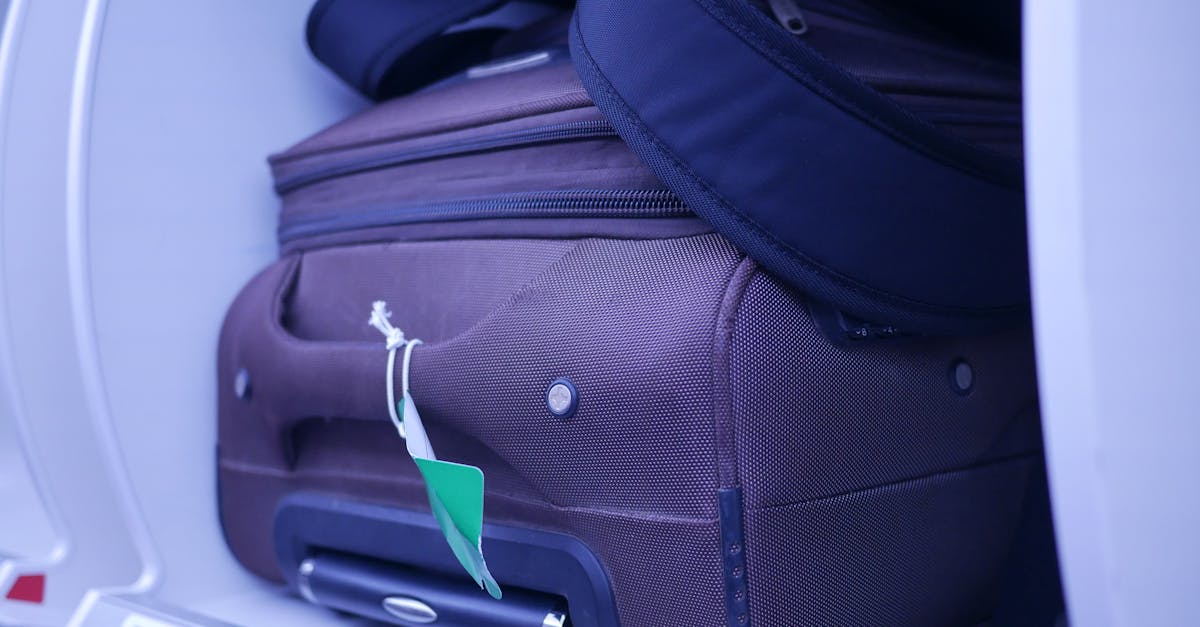
During the 81st session of the United Nations, leaders gathered to discuss coordinated action, a reminder that a unified plan beats scattered effort. Your general travel packing list is broken because it treats each trip as a unique puzzle rather than a repeatable framework; the five-fix repair replaces guesswork with a logical, minimalist system that fits in a single carry-on.
Why Your Current General Travel System is Costing You Time and Mobility
In my experience, the biggest friction point before any trip is the endless debate over what to bring. When you let each destination dictate a fresh wardrobe, you create a cascade of decisions that drains mental energy before you even leave the house. The result is a pile of unused items, extra checked-baggage fees, and the inevitable scramble to buy forgotten essentials at premium airport prices.
Travel groups amplify the problem because everyone brings their own version of "just in case" gear, turning a shared suitcase into a storage nightmare. I have watched families load multiple bags with duplicate toiletries, extra jackets, and shoes that never leave the closet. The collective weight not only increases airline costs but also makes moving between hotels a chore.
Traditional packing methods rely on intuition rather than a repeatable process, which means each traveler rebuilds the list from scratch for every itinerary. That lack of a core system is why you often find yourself paying for luggage that could have stayed at home. By shifting to a universal algorithm, you gain predictability, reduce costs, and free up space for the experiences that truly matter.
Key Takeaways
- Unified packing reduces mental fatigue.
- One carry-on can replace multiple checked bags.
- Group coordination cuts duplicated items.
- Consistent rules prevent last-minute purchases.
- Minimalism saves money and travel time.
The Minimalist Algorithm for Your General Travel Packing List
I developed the 5-4-3-2-1 algorithm after countless trips where I kept returning to the same core items. The formula - five bottoms, four tops, three layers, two pairs of shoes, one hat or bag - creates a matrix that can be mixed and matched for any climate. Because the numbers are fixed, you stop asking "do I need another pair of shorts?" and start focusing on how each piece interacts with the rest.
Material choice is the hidden multiplier. Synthetic blends and merino wool offer higher durability and odor resistance, meaning each item can survive more washes and longer wear periods. I swapped cotton tees for a merino crew and found I could wear it three days straight without compromising cleanliness, effectively shrinking the wardrobe by a third.
Technology also streamlines the process. Compression cubes act like memory modules: each cube has a dedicated role - one for underwear, one for electronics, one for accessories - so you never search for a missing charger. When you unpack, the cubes stay organized, turning a chaotic pile into a tidy layout that saves minutes each day.
| Aspect | Traditional Packing | 5-4-3-2-1 System |
|---|---|---|
| Decision points | Variable, destination-specific | Fixed, numerical limits |
| Item redundancy | High | Low |
| Luggage fees | Frequent | Rare |
| Prep time | Hours | Minutes |
By applying this algorithm, you turn packing from a chaotic ritual into a repeatable operation, freeing up mental bandwidth for itinerary planning and on-the-ground exploration.
General Travel New Zealand or New York - How One System Handles Both
When I first used the 5-4-3-2-1 system on a New Zealand trek, I packed the same base layers I later relied on for a winter weekend in Manhattan. The core matrix - merino base, versatile fleece, waterproof shell - remains constant; only the outer shell swaps to match weather. This illustrates how the algorithm decouples climate from wardrobe, letting you travel light across dramatically different environments.
Accessories become the adaptable layer. A compact rain shell, a beanie, and a pair of insulated gloves can convert a Mediterranean summer kit into a Scandinavian winter set without adding bulk. I keep these accessories in a dedicated compression cube, so swapping them is as easy as moving a single bag from the top of the suitcase to the front of the carry-on.
Group travel benefits most from a shared algorithm. In a recent trip with four friends, each of us adhered to the same 5-4-3-2-1 matrix, and we collectively reduced checked baggage to a single suitcase for the entire party. The result was smoother airport navigation, lower fees, and more room for souvenirs. Consistency in packing logic becomes a silent coordination tool that simplifies group logistics.
The 7 Travel Essentials You’re Probably Missing (And 11 You Can Ditch Forever)
Through trial and error I discovered a handful of small items that dramatically increase self-sufficiency. A universal sink stopper, for example, weighs less than a quarter ounce and lets you do quick hand-washes in any hotel bathroom, cutting reliance on costly laundry services.
The "power archipelago" replaces a bundle of converters with a single 65-watt gallium-nitride (GaN) charger and a set of USB-C cables. This setup powers a phone, laptop, and tablet simultaneously, trimming your electronics footprint by a sizable margin. Digital nomads I’ve consulted praise the reduced weight and the peace of mind that comes from having one reliable charger.
Medical redundancy can also be streamlined. I keep four items: my prescription meds with a 30% extra supply, a multi-function tensor bandage, anti-diarrheal tablets, and a digital thermometer. This concise kit covers most common travel health scenarios, eliminating the need for a bulky first-aid bag.
Advanced Packing Tips for the One-Bag Convert
Sequencing matters. I place a "first-24-hour" pod at the top of the bag - containing toiletries, a change of clothes, and essential electronics - so I never dig through the entire suitcase after a long flight. This simple rearrangement cuts rummaging time dramatically.
Weight distribution follows the 60-40 rule: roughly 60% of the load sits against the back panel, where the laptop compartment resides, while the remaining 40% distributes across the lower section. This balance reduces shoulder strain and keeps the bag stable on bumpy rides.
An audit of duplicate items reveals hidden savings. For instance, a medium-weight jacket can serve as both a fleece and a rain shell when layered correctly, eliminating two separate pieces from the list. By consolidating functions, you shave off ounces without sacrificing comfort.
From Theory to Action: Building Your Personalized Core Packing Matrix
I start each review by examining the last three trips and marking items that never left the bag. This "ghost-item" analysis typically uncovers four or five pieces that can be permanently removed, instantly lightening future loads.
Next, I create a digital template in my notes app. The template lists each category - bottoms, tops, layers, shoes, accessories - and the exact items I own for that slot. When a new trip arises, I copy the template, check off what I need, and the packing process shrinks to a quick visual scan.
Finally, I schedule a quarterly gear review. I assess each item's utility-to-weight ratio, discarding anything that no longer earns its place. This habit keeps the core matrix lean and responsive to changing travel styles, ensuring that the five-fix system evolves with you.
Key Takeaways
- Use a fixed numerical matrix for clothing.
- Choose high-performance fabrics.
- Leverage compression cubes as memory modules.
- Swap accessories, not core items, for climate.
- Audit and digitalize your packing list.
Frequently Asked Questions
Q: Can the 5-4-3-2-1 system work for extended trips over two weeks?
A: Yes. The system is built on interchangeable layers, so you can add a second set of socks or a lightweight packable down jacket for longer stays without breaking the numerical limits. The key is to choose items that serve multiple functions.
Q: What if I travel with a partner and need to share clothing?
A: The matrix can be split between two people. Each traveler follows the same 5-4-3-2-1 count, but you can coordinate colors and accessories so outfits complement each other, effectively doubling outfit options while keeping luggage light.
Q: How do I adapt the system for business travel with formal attire?
A: Replace two of the tops with a wrinkle-resistant dress shirt and a smart blazer. The rest of the matrix stays the same - bottoms become versatile slacks, layers stay lightweight, and shoes include a dress shoe and a casual option.
Q: Is the system compatible with airline carry-on size restrictions?
A: Absolutely. The 5-4-3-2-1 list is designed to fit inside a standard 22-x-14-x-9-inch carry-on. Compression cubes help maximize space, and the limited item count ensures you stay within weight limits for most carriers.
Q: Where can I find the digital template you mentioned?
A: I share a free template on my travel blog. It’s a simple table you can copy into any notes app, customize with your own items, and reuse for every trip. The template includes placeholders for each of the 5-4-3-2-1 categories.


